About MWW
Relational Reading for Complex Realities
Me–We–World (MWW) is a relational reading practice.
It begins from a simple observation:
No action exists in isolation.
No individual stands outside the systems they influence.
No system exists without embodied human participation.
MWW offers a way to read how personal values, relational dynamics, and structural conditions continuously shape one another.
It does not begin with solutions.
It begins with perception.
The Structure: Me – We – World
MWW works with three inseparable dimensions:
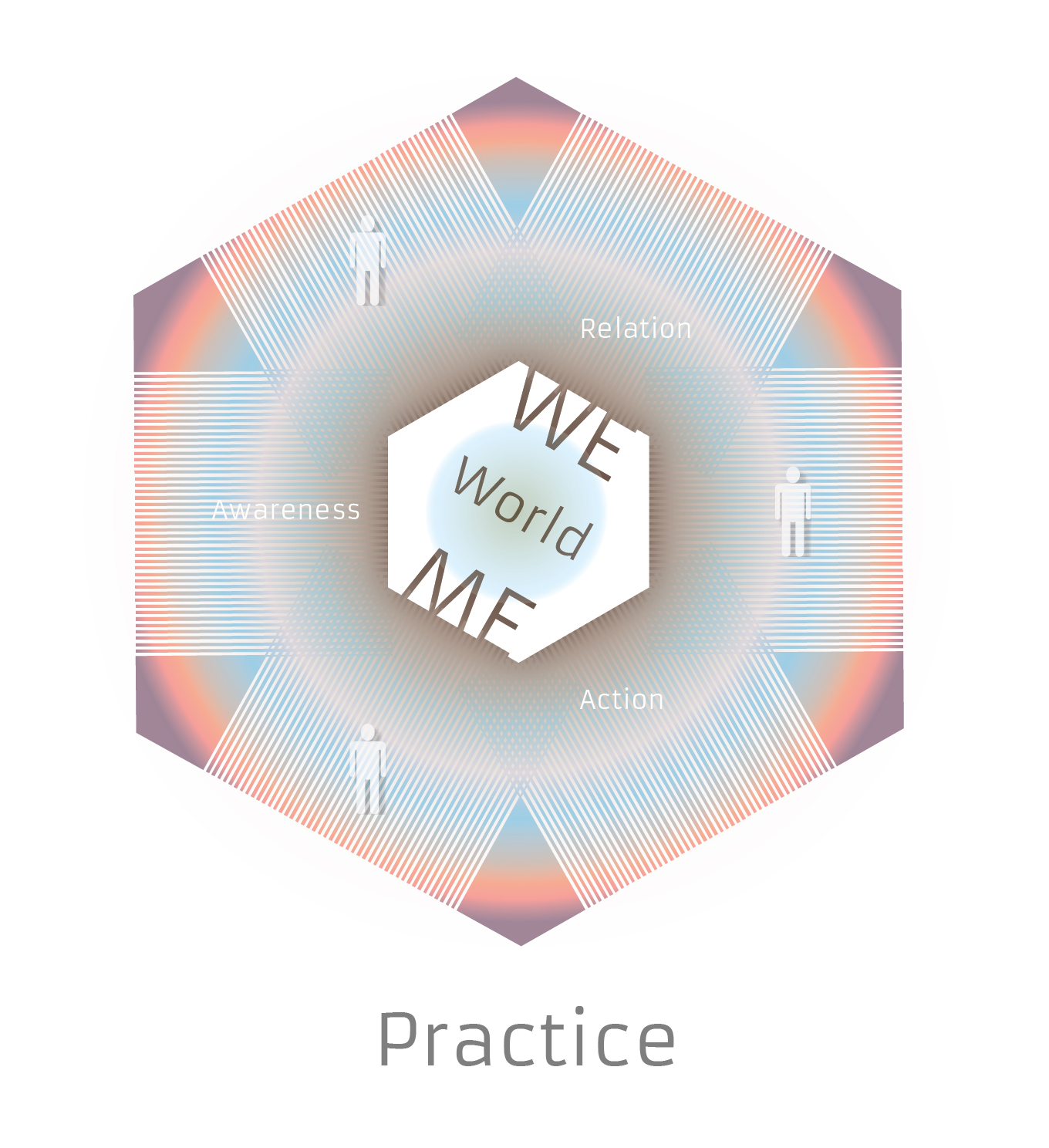
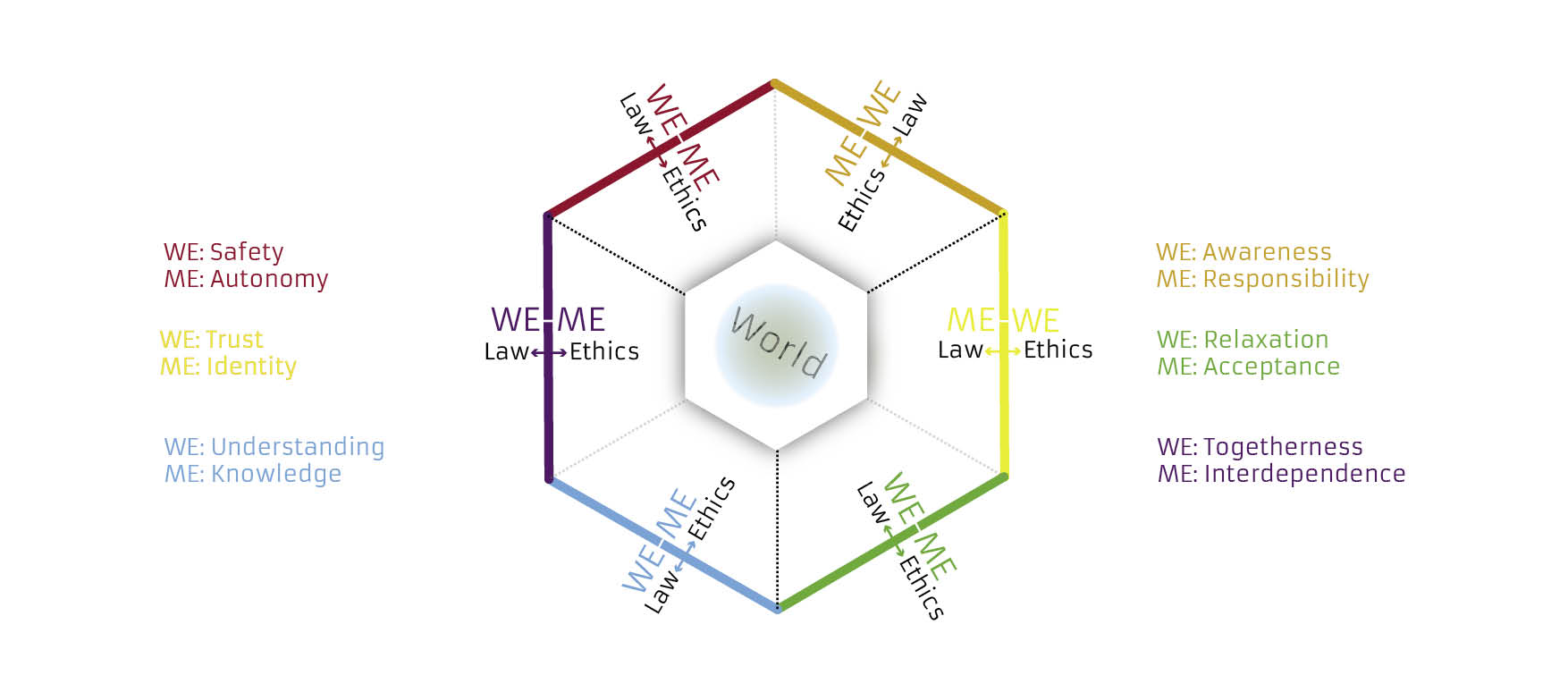
- Me — embodied identity, values, perception, agency
- We — relational fields, institutions, shared norms, cultures
- World — infrastructures, ecosystems, economic systems, technological and societal conditions
These are not steps in a ladder.
They are simultaneous layers of reality.
Every decision moves across all three at once.
When we shift something in the “Me,” it alters the “We.”
When institutions change, they reshape the “World.”
When the world reorganises, it transforms the conditions under which we perceive and act.
MWW is the practice of consciously observing these feedback loops.

Origins in Practice (2014–2018)
MWW did not emerge as a theory.
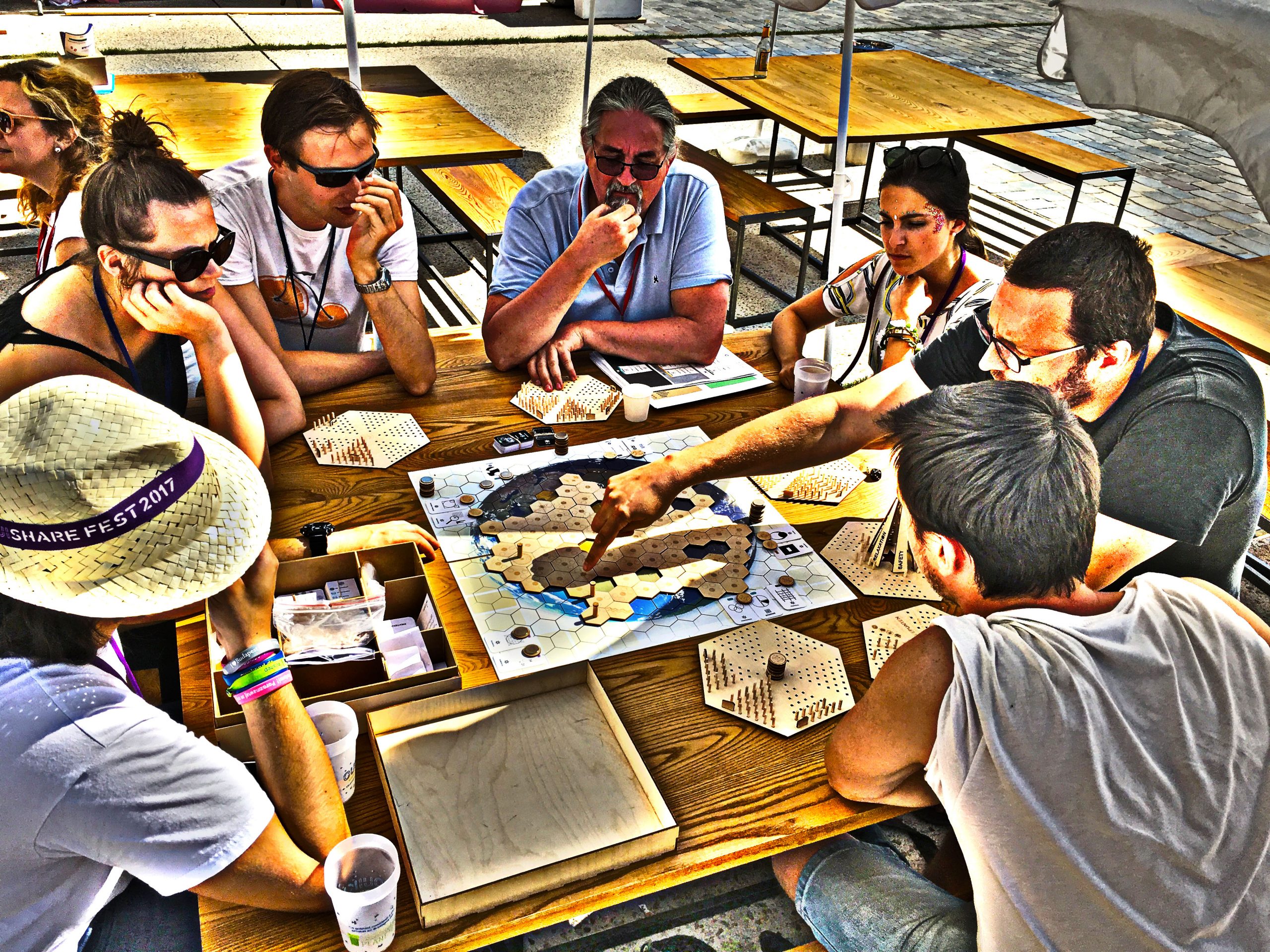
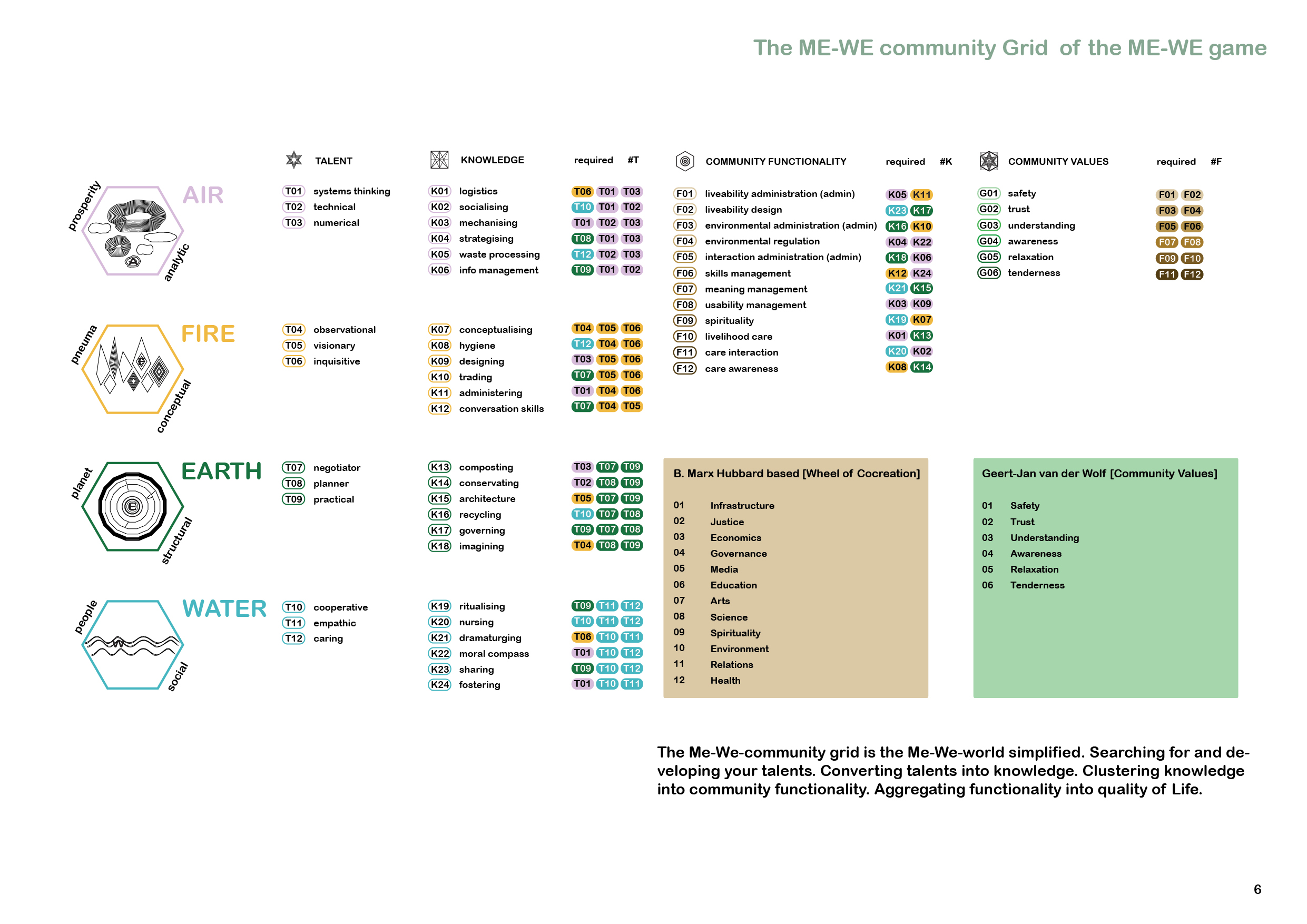
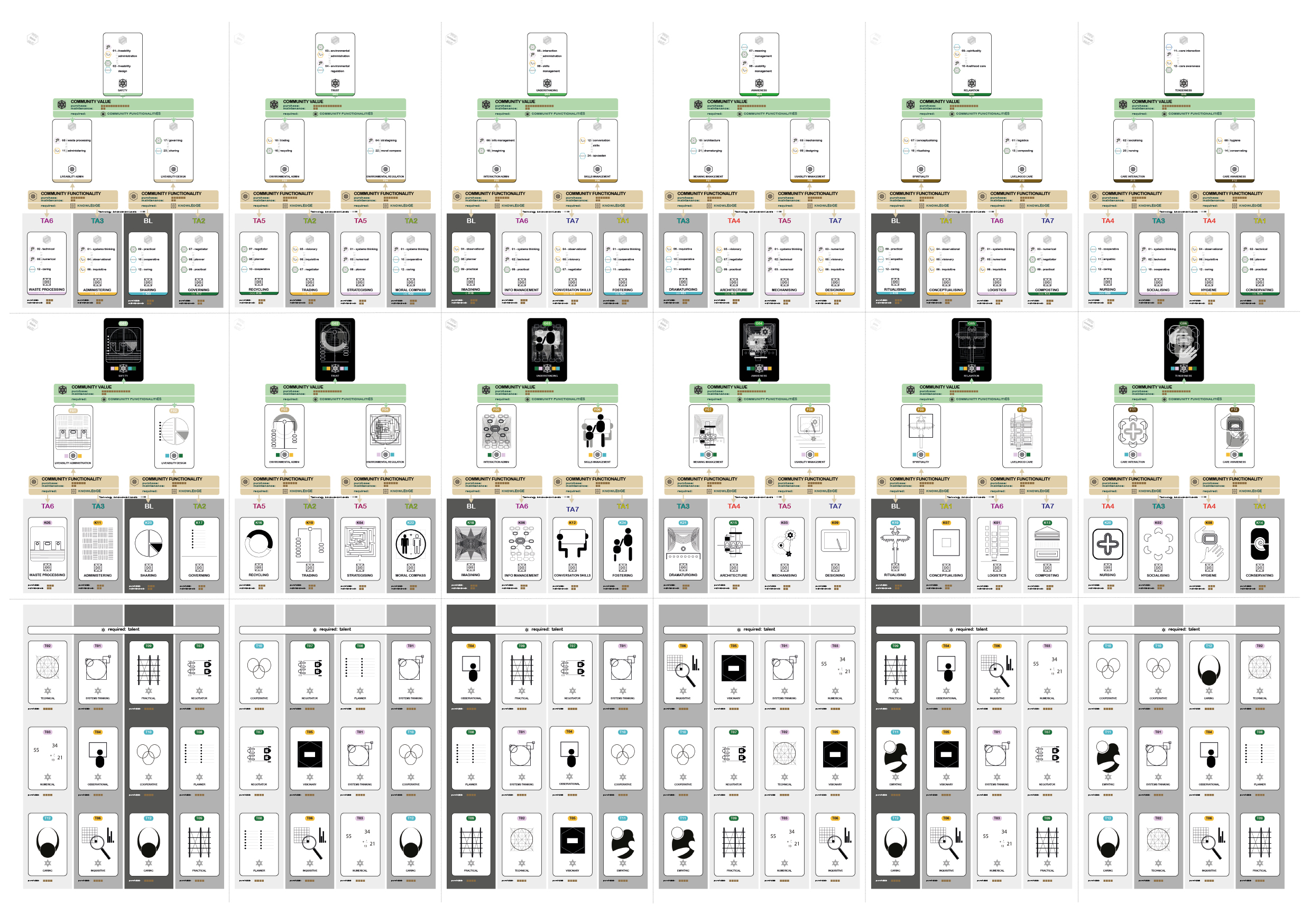
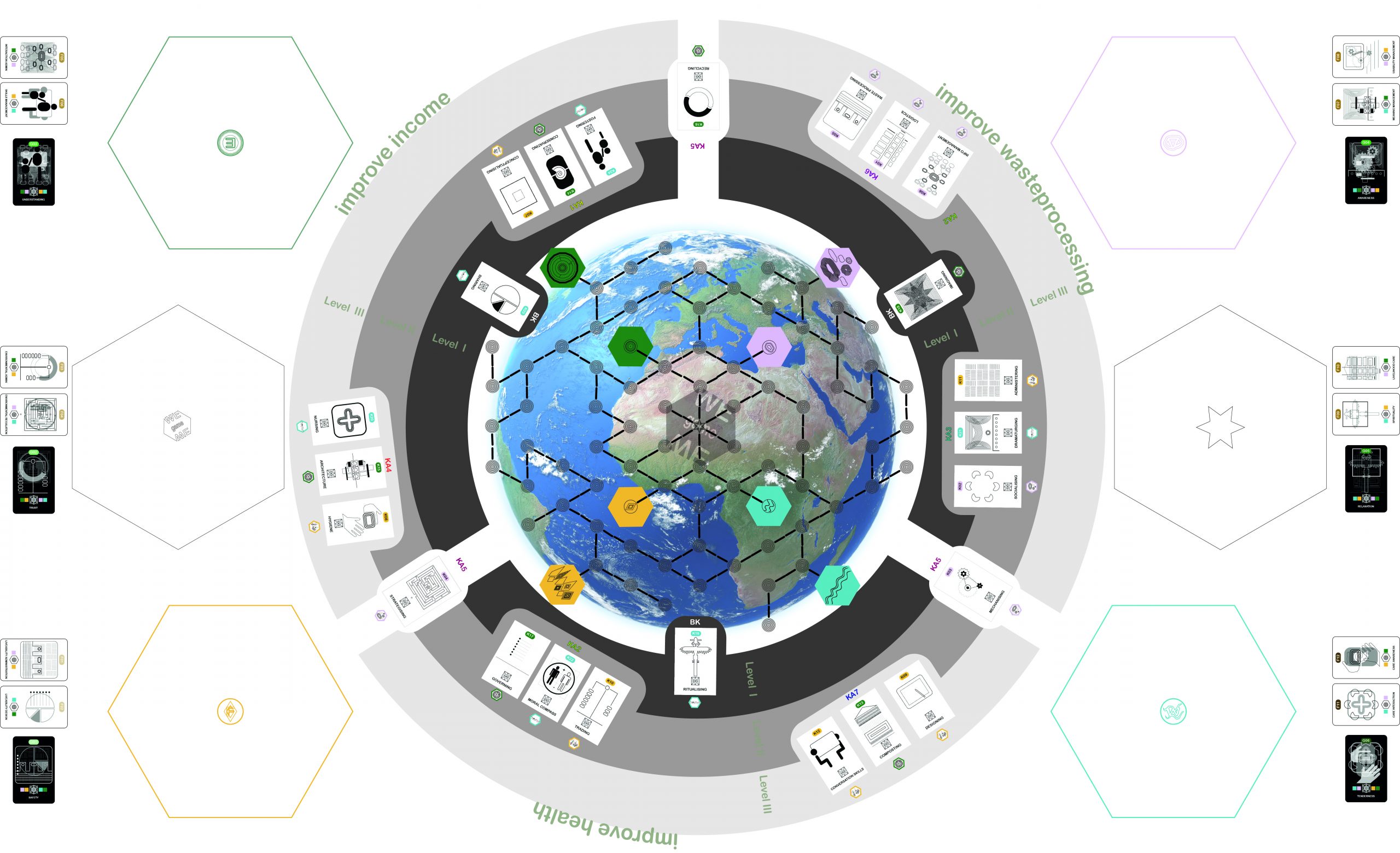
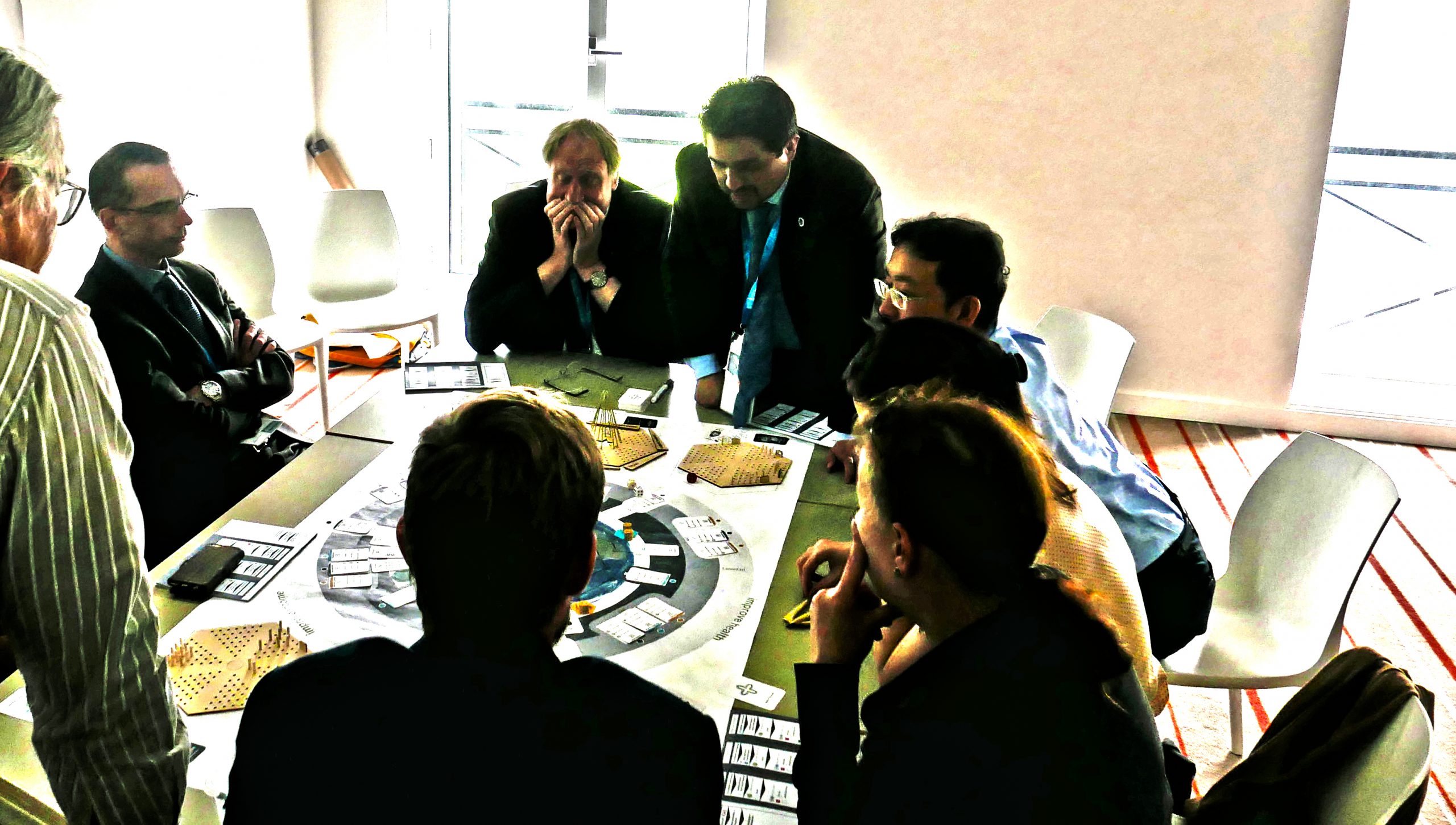
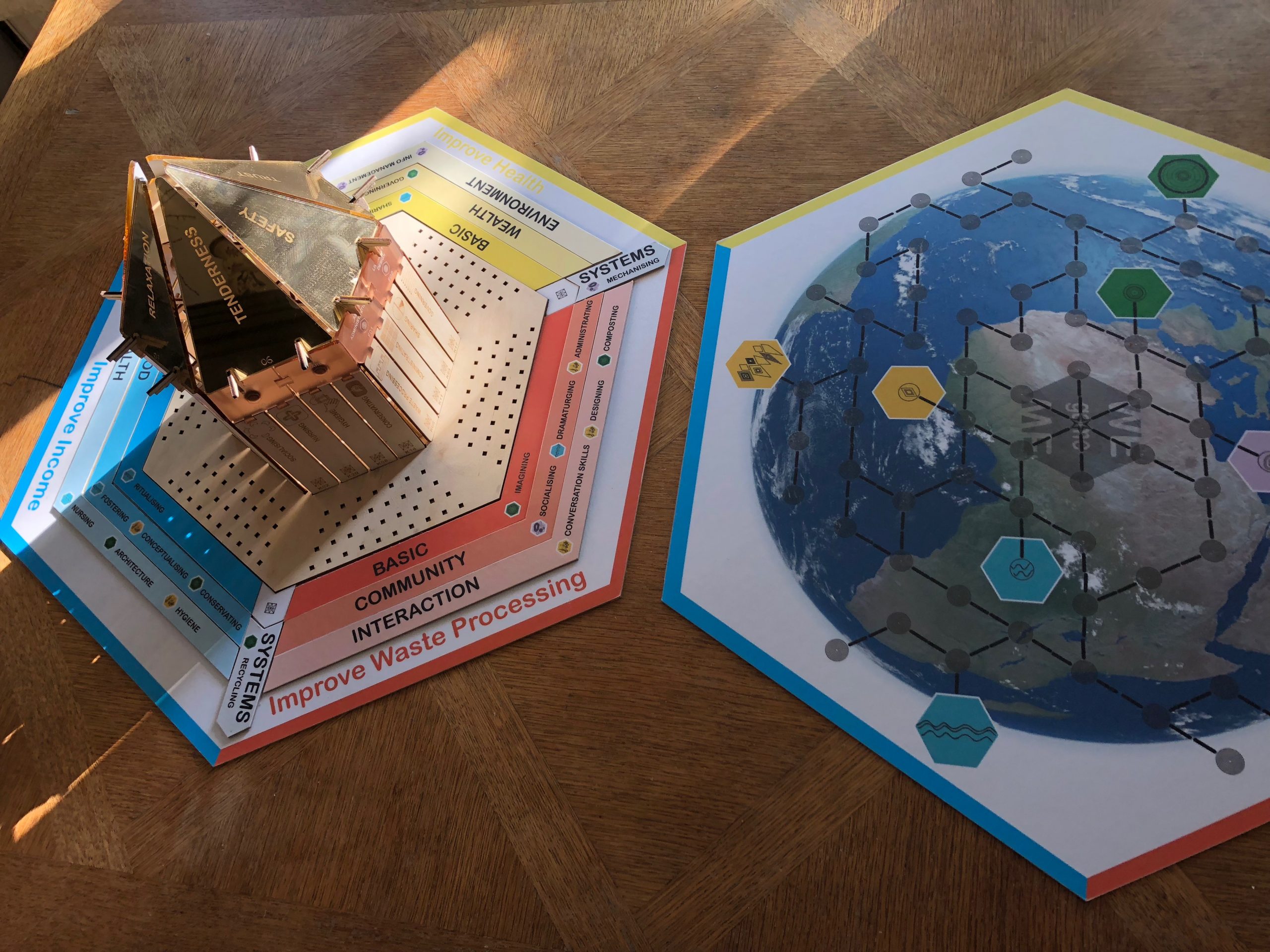
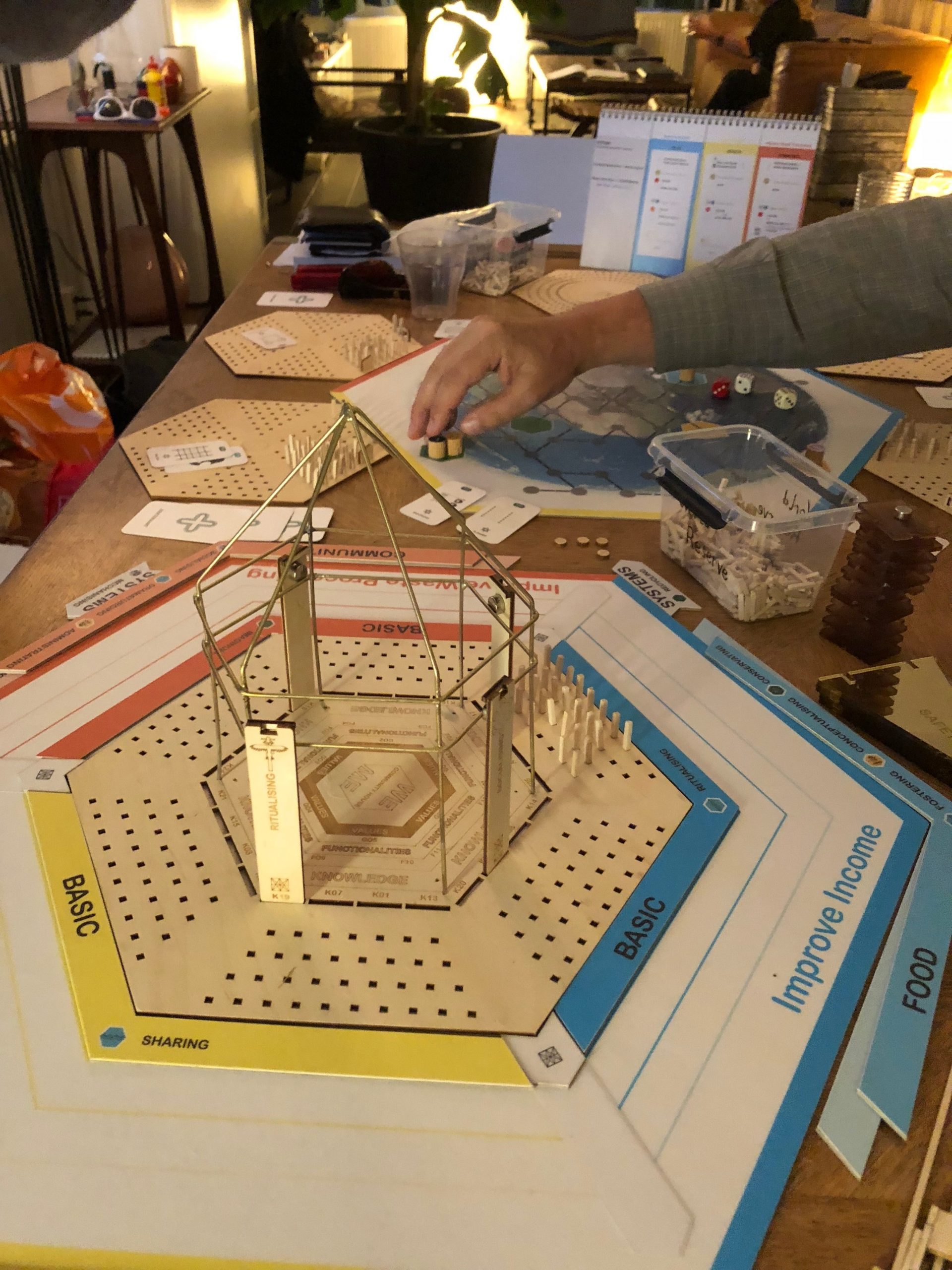
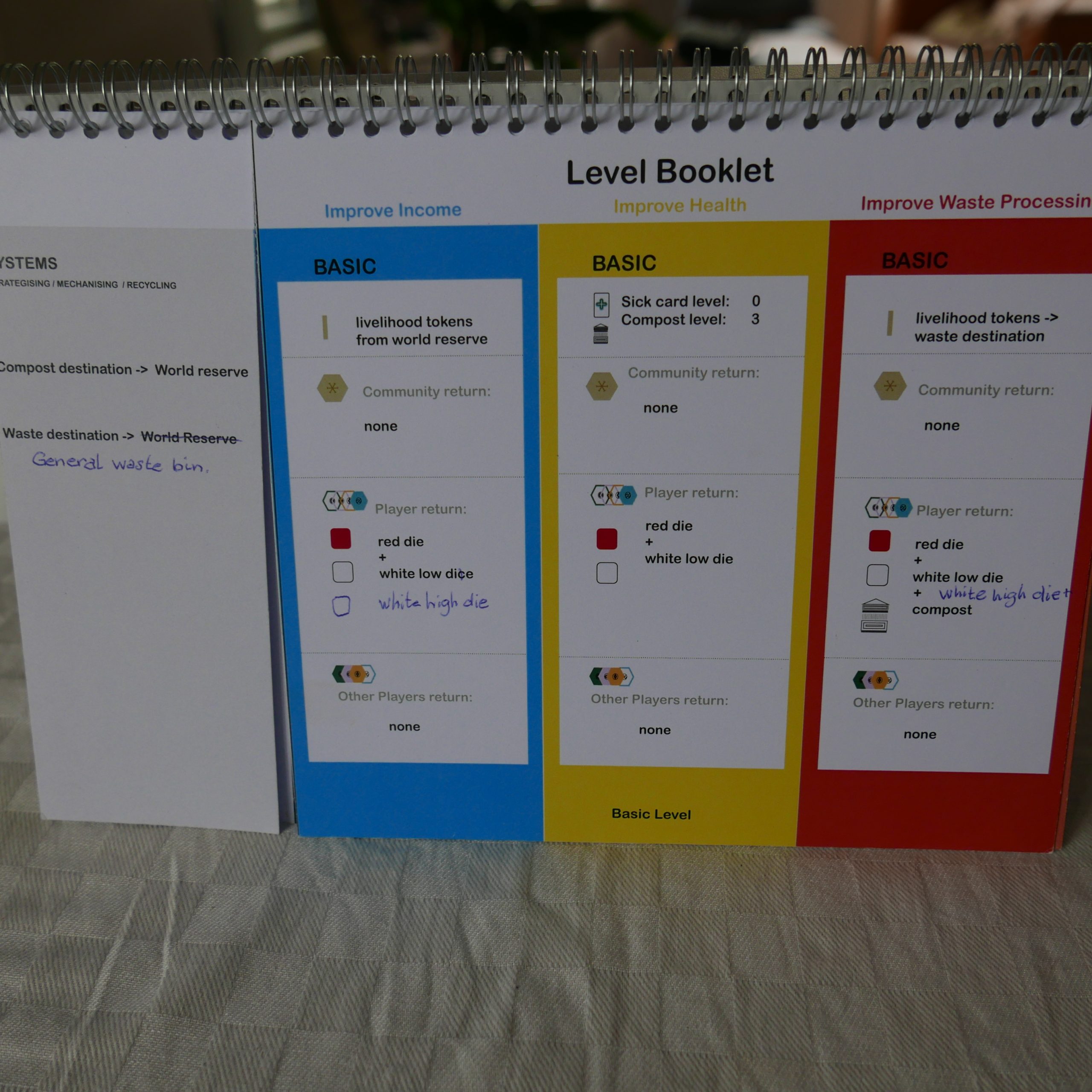
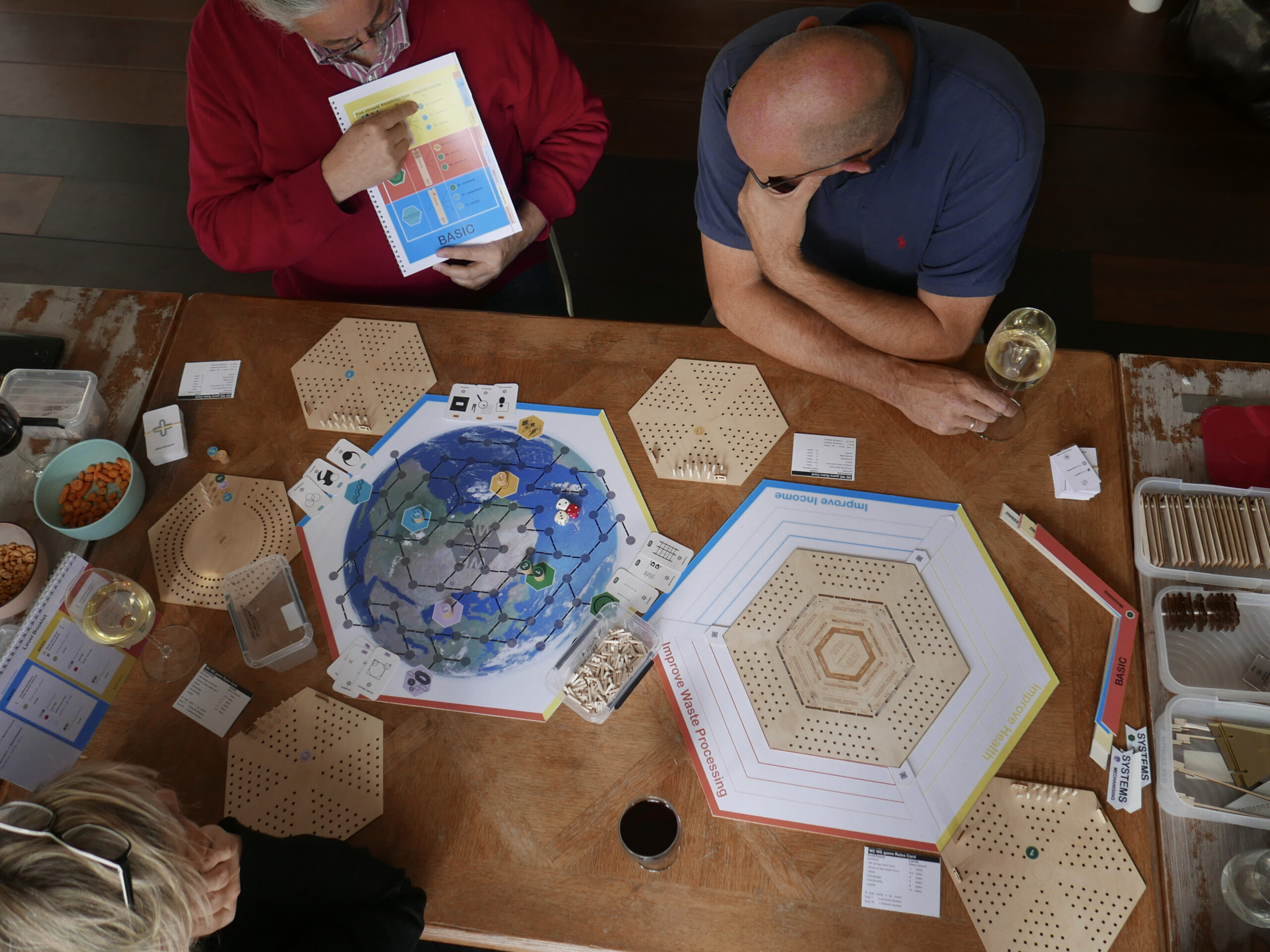
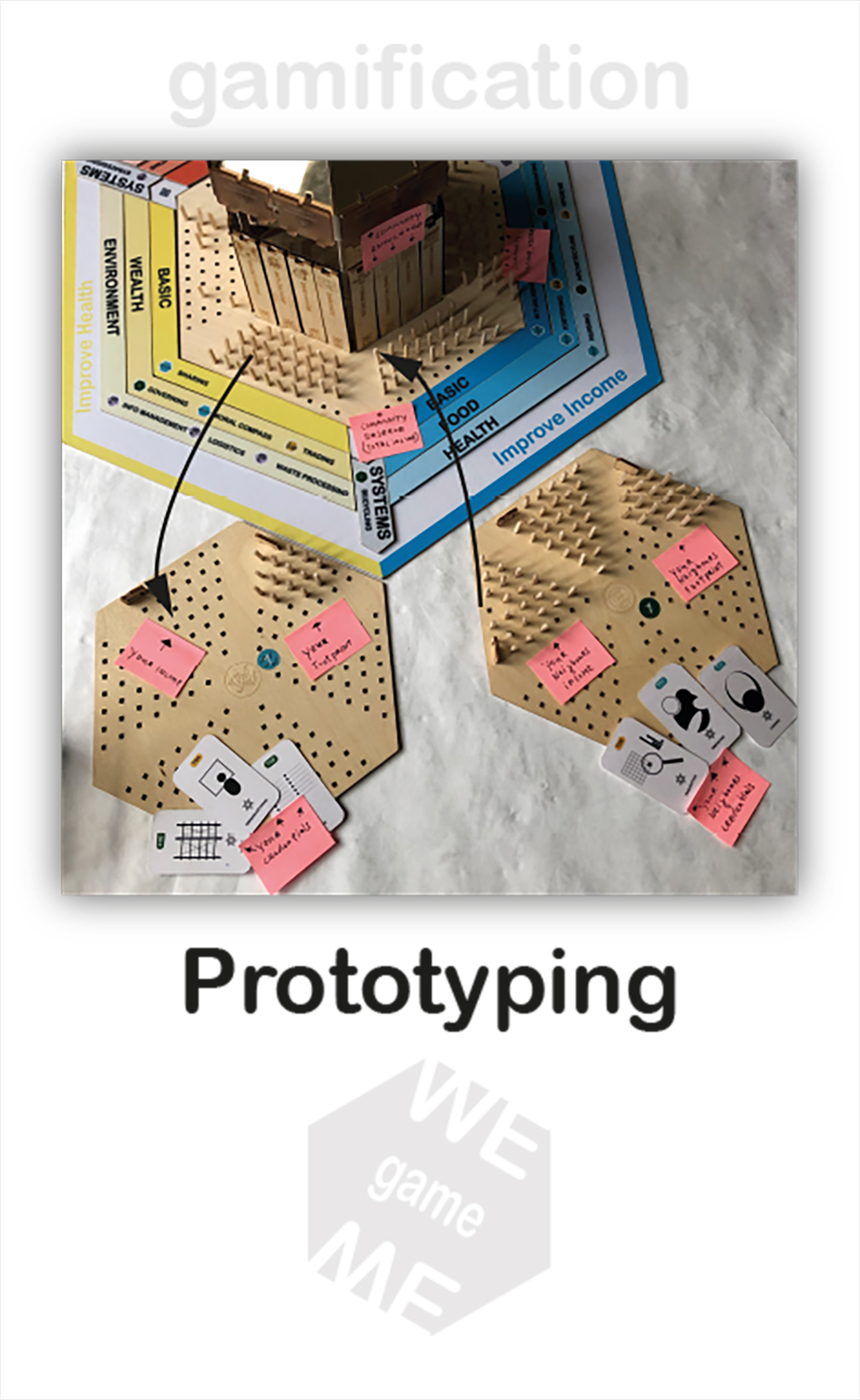
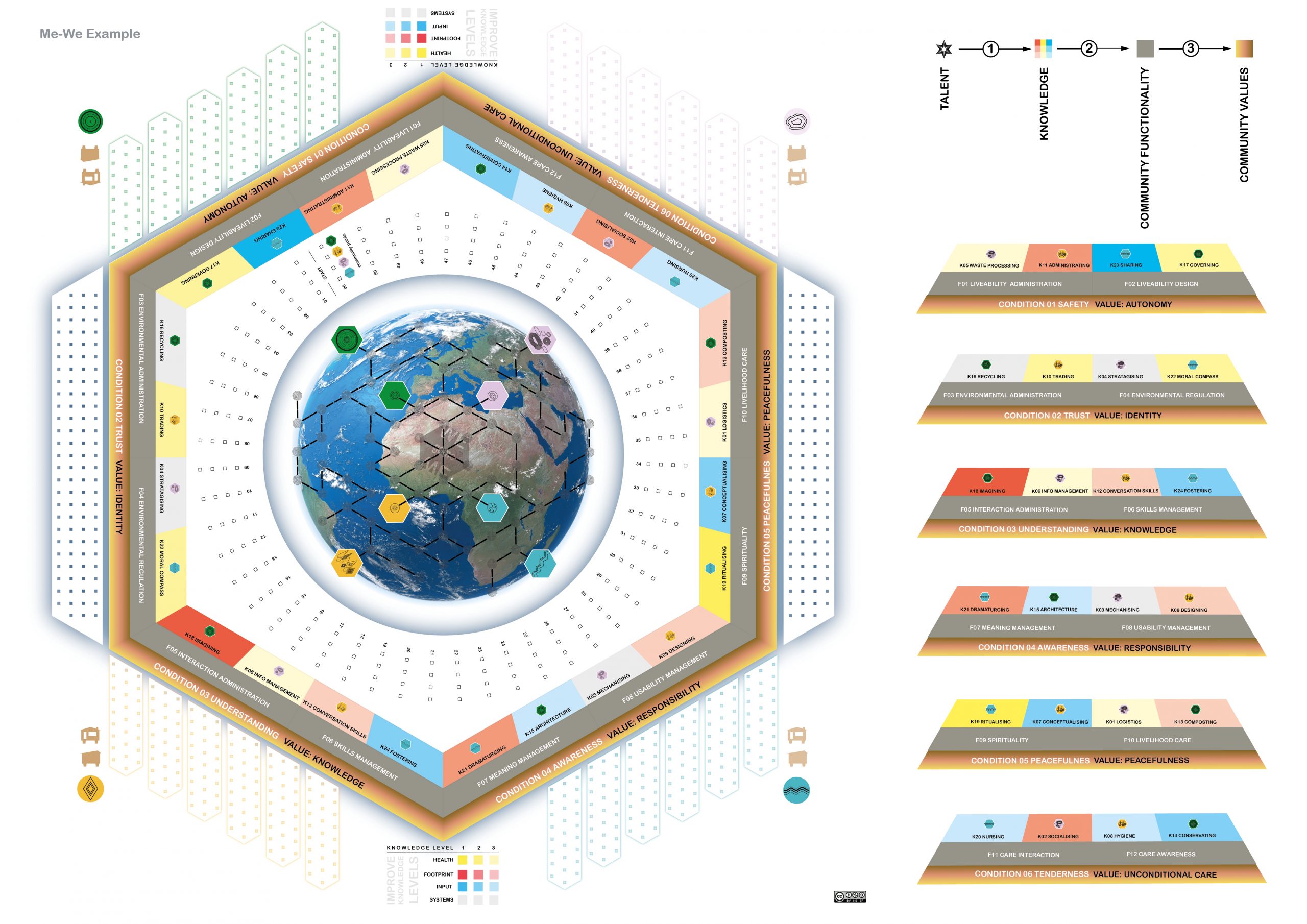
Between 2014 and 2018, a series of prototypes explored how interdependence could be made tangible through design. Early experiments took the form of collaborative “world-building” environments and later evolved into the ME–WE game, first prototyped in 2016.
The game embedded a simple structural principle:
- No one could win alone.
- No one could be eliminated.
- Collective well-being determined individual possibility.
Players faced dilemmas involving resource use, maintenance versus growth, income distribution, and shared responsibility. What emerged was not competition, but an experiential recognition:
A community is the aggregation of human actions.
Over time, the focus shifted from simulating relational dynamics to reading them in lived systems. The game became a doorway into a broader epistemic practice.
From Simulation to Reading
As the prototypes matured, a deeper insight surfaced:
Before redesigning systems, we must learn to see them.
MWW therefore evolved into a relational reading discipline — a way of examining:
- How behaviour generates structure
- How structure shapes perception
- How perception guides further action
This approach is grounded in iterative practice, embodied experimentation, and systemic observation.
It does not prescribe ideological answers.
It cultivates discernment.
What MWW Is Not
MWW is not:
- A motivational framework
- A leadership performance triangle
- A purpose ladder
- A branding device
- A blueprint for societal redesign
While the Me–We–World structure appears in various fields, MWW treats it as a relational ontology rather than a linear impact model.
It is not about moving from self to society.
It is about recognising that self, society, and systemic conditions are already entangled.
Why Relational Reading Matters
We live in complex realities marked by:
- Invisible interdependencies
- Exponential technological change
- Ecological constraints
- Institutional fragility
- Polarized discourse
In such conditions, premature solutions often amplify unseen dynamics.
Relational reading slows down reaction and deepens perception.
It asks:
What is actually happening between Me, We, and World here?
Which assumptions are embedded in the structure?
What feedback loops are reinforcing the current state?
Where does responsibility truly sit?
From that clarity, action becomes more grounded.
An Ongoing Practice
MWW is not a finished doctrine.
It is an evolving discipline developed through:
- Design experiments
- Dialogue
- Reflective practice
- Systems analysis
- Embodied inquiry
Its legitimacy rests in iteration and coherence — not ownership of terminology.
There is space for multiple interpretations of Me–We–World.
Our contribution lies in developing it as a rigorous relational reading practice for complex realities.